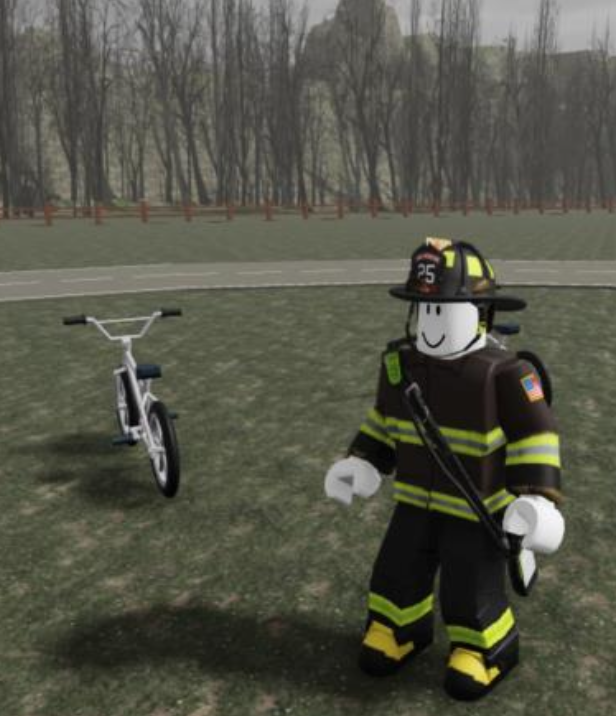
Anhedonia is a psychological condition defined as the reduced capacity to experience pleasure with an increase in emotional numbness. Anhedonia, while not popular by name, is a commonly met symptom associated with post-traumatic stress disorder (PTSD), depression, and anxiety. This condition is increasingly understood as a deviation in the brain’s reward processing system, particularly in the anticipatory and consummatory phases. Research suggests that emotional numbing and chronic stress occurs when dopamine pathways and motivational drive are disrupted. In this paper, a deep dive is taken into how Virtual Reality immersive programs, used in exposure therapy for treating anxiety disorders, can be adapted and programmed to specific scenarios that may help induce anhedonic states. The paper uses the Unpredictable Chronic Mild Stress (UCMS) model in animals to propose that VR scenarios simulating sensory deprivation and emotional desensitization stressors may replicate core features of anhedonia. Virtual platforms can be used to mimic disruptions in the hypothalamicpituitary-adrenal (HPA) axis and reward circuitry. Why is inducing anhedonia worth exploring? Inducing anhedonia in a controlled VR environment can help study whether this temporary psychological state can act as a bridge that can be used to mitigate negative reactions in humans, such as claustrophobia. When a subject experiences a temporal emotional numbing, it gives researchers the ability to reduce the emotionally heightened reactions commonly triggered by confined spaces. Ultimately, this research offers a novel direction in the use of VR: not only as a therapeutic tool but also as a controlled experimental medium to investigate emotional numbing and reward dysfunction.
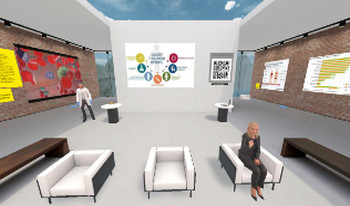
Background: Current gold standard for clinical training is on actual Linear Accelerators (LINAC) machines, recordings of the actual procedure, videos clips and word of mouth. Current training practices lack the element of immersion, convenience and flexibility. These trainings are not always interactive and may not always represent actual use case scenarios. Immersive experiences by interacting with LINAC machines in a safe and controlled virtual environment is highly desirable. Current real world radiation treatment training often requires a radiation bunker and actual equipment that is not always accessible in the clinical setting. Oncologist's time is extremely precious and radiation bunkers are hard to come by due to heavy demands in specialty clinics. Moreover, scarcity of Linear Accelerator (LIANC) due to its multi-million dollar capital cost makes the accessibility even worse. To solve the logistical, economical and resource issues, virtual reality (VR) radiation treatment will offer a solution that will also improve the clinical outcomes by preparing Oncologists in the virtual environment anywhere and anytime. We are introducing a virtual reality (VR) space for Radiation trainees, so that they can use it anywhere and anytime to practice and refine their radiation treatment skills. Moreover, an immersive space for collaborative learning and sharing their knowledge Methods: Trainees were invited to the VR space and went through the pre-assessment questionnaire and then guided through series of videos and digital contents and then subjected to post-assessment randomized questionnaire Findings: Trainees (n=32) reported significant improvement in their learning. For future work we can compare to traditional methods. A number of trainees were new to VR technology and also new to Radiation Oncology. Interpretation: Our research revealed that incorporating virtual reality (VR) as a tool for elucidating Radiation Oncology concepts resulted in an immediate and notable enhancement in trainees' proficiency. Moreover, those who were educated through VR demonstrated a more profound understanding of Radiation Oncology, including a wider array of potential treatment strategies, all within a user-friendly setting.