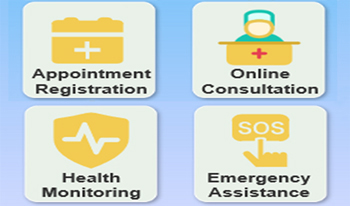
With society rapidly aging, the demand for mHealth products among elderly users is increasing. However, most current research focuses on functional design and lacks in-depth analysis of the emotional needs and usage habits of older adults. Using the A-Kano model and the three-level emotional design theory, this study gathered and analyzed the functional needs, emotional needs, and usage habits of elderly users through semi-structured interviews and A-Kano questionnaires. The results reveal that elderly users’ needs fall into instinctive, behavioral, and reflective categories. At the instinctive level, a simple interface layout (A1) and bright interface colors (A2) are essential. At the behavioral level, emergency assistance (B5) and voice interaction (B8) are Must-be needs while online consultation (B1) and appointment registration (B2) are One-dimensional needs. At the reflective level, health reminders (C2) are crucial, and community interaction (C1) is a One-dimensional need. Based on these findings, this study proposes targeted interface design strategies. The effectiveness of these strategies was verified through user testing, with elderly users rating Functionality, Visualization, Emotionality, and Interactivity highly. This study not only addresses the shortcomings of existing research regarding the emotional needs and personalized design for elderly users but also provides comprehensive theoretical support and practical guidance for designing mHealth apps for elderly users. Future research could further increase sample diversity, incorporate multiple research methods, and explore the long-term impacts to improve product generalizability and user satisfaction.